
Search Engine Optimization (SEO): A Powerful Beginner’s Guide to Success
Search Engine Optimization (SEO) is the practice of improving a website to boost its visibility on search engines like Google. When your site appears higher in search results, it becomes easier for users to discover your content, products, or services.
Why SEO Matters
In today’s digital era, most people depend on search engines to find information. Search Engine Optimization (SEO) helps your website reach the right audience at the right moment. It not only increases website traffic but also strengthens trust and credibility for your brand.
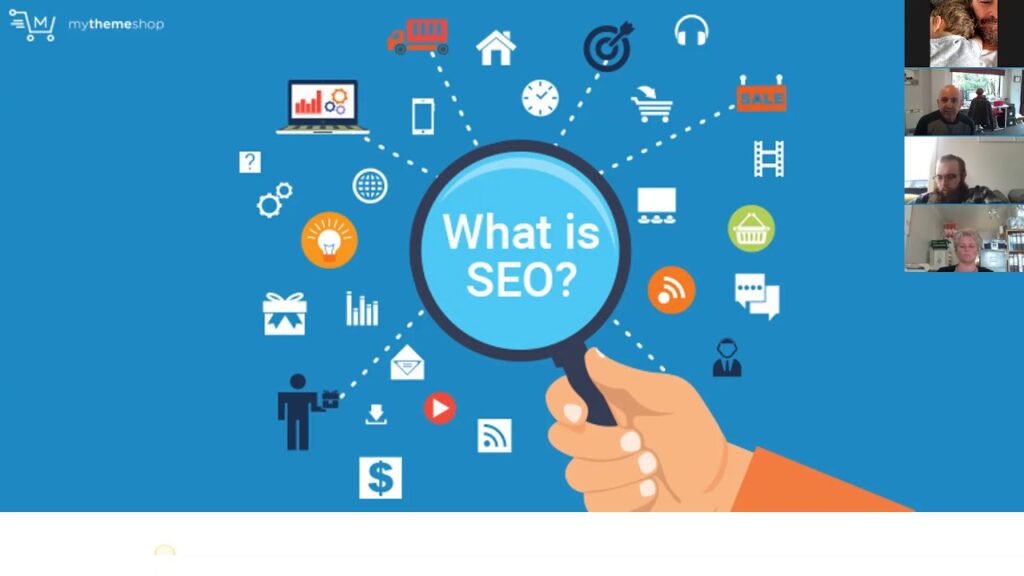
Importance of SEO
- Increases Organic Traffic: SEO helps your website attract visitors without paying for ads. Organic search often drives more qualified leads because users are actively searching for products or information.
- Builds Trust and Credibility: Websites that rank higher are perceived as more trustworthy. SEO helps establish authority through quality content and backlinks.
- Cost-Effective Marketing: Unlike paid ads, SEO generates long-term results with lower costs. Properly optimized content continues to attract traffic over time.
- Enhances User Experience: Good SEO practices involve improving website speed, mobile-friendliness, and navigation, which benefits both users and search engines.
- Supports Other Marketing Channels: SEO complements social media marketing, content marketing, and email marketing by driving traffic and building authority.
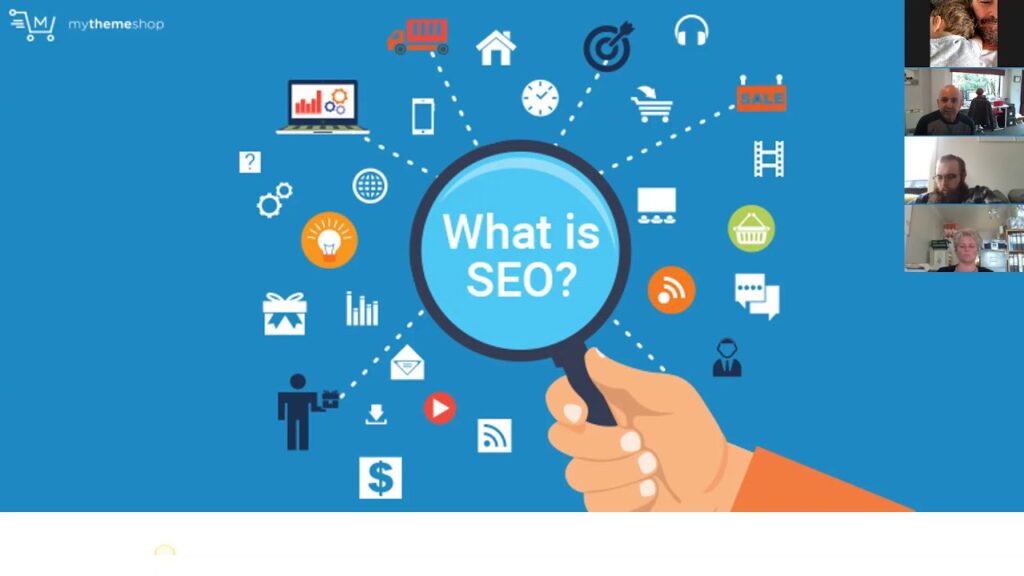
What is Search Engine Optimizatiohttps://searchengineland.com/guide/what-is-seon (SEO)?
Search Engine Optimization (SEO) is a set of strategies and practices designed to improve a website’s position on search engine results pages (SERPs). Higher rankings on SERPs lead to more visibility, which often translates into more traffic, leads, and sales.
Search Engine Optimization (SEO) works by helping search engines understand your website’s content and relevance. Search engines use complex algorithms to determine which web pages to display for a given search query. Optimizing your website increases the likelihood that search engines will consider your content valuable and display it to users searching for related topics.
Key Elements of SEO
- Keyword Research:
Understanding exactly what your audience types into search engines when looking for information. - On-Page SEO:
Optimizing content, headings, images, and internal links within your website. - Off-Page SEO:
Building backlinks and increasing your website’s authority online. - Technical SEO:
Making sure your website is fast, mobile-friendly, and secure.
Types of SEO
Search Engine Optimization (SEO) can be divided into three main categories:
1. On-Page SEO
On-page Search Engine Optimization (SEO) refers to optimizing elements within your website to improve rankings. Key factors include:
- Keyword Optimization: Research and use relevant keywords naturally in your content, headings, and meta tags.
- Meta Tags: Use meta titles and descriptions that accurately describe your content and entice users to click.
- URL Structure: Clean, descriptive URLs are better for users and search engines.
- Internal Linking: Linking to other relevant pages on your website helps search engines crawl your site and improves user navigation.
- Content Quality: High-quality, engaging, and informative content keeps users on your site longer.
- Multimedia Optimization: Use images, videos, and infographics with proper alt text and descriptions.
2. Off-Page SEO
Off-page Search Engine Optimization (SEO) focuses on external factors that influence your site’s authority:
- Backlinks: Links from authoritative websites signal trustworthiness to search engines.
- Social Signals: Shares, likes, and comments on social media can indirectly affect SEO.
- Brand Mentions: References to your brand online, even without links, contribute to credibility.
- Influencer Outreach: Collaborating with industry influencers can enhance visibility and backlinks.
3. Technical Search Engine Optimization (SEO)
Technical Search Engine Optimization (SEO) involves improving website infrastructure to make it easier for search engines to crawl and index:
- Website Speed: Fast-loading pages improve user experience and rankings.
- Mobile Optimization: Websites must be mobile-friendly to rank higher in mobile search results.
- Secure Website (HTTPS): Security is a ranking factor and builds user trust.
- XML Sitemap: Helps search engines understand the structure of your website.
- Robots.txt File: Controls which pages search engines can crawl.
- Structured Data: Using schema markup enhances search results with rich snippets.
Benefits of Search Engine Optimization (SEO)
- Boosts organic (free) website traffic
- Improves your position in search engine results
- Builds brand trust and credibility
- Delivers long-term results
- Enhances overall user experience
Keyword Research
Keyword research is the foundation of SEO. It involves identifying words and phrases that users enter in search engines. Effective keyword research ensures your content matches user intent.
To learn more about effective keyword strategies, check out our detailed guide on https://shahanadg.com/
Steps for Keyword Research:
- Brainstorm Topics: List topics relevant to your niche.
- Use Keyword Tools: Tools like Google Keyword Planner, Ahrefs, and SEMrush provide search volume, difficulty, and trends.
- Analyze Competitors: Look at which keywords competitors rank for and identify gaps.
- Focus on User Intent: Determine whether users are seeking information (informational), shopping (transactional), or specific websites (navigational).
- Prioritize Long-Tail Keywords: These are specific phrases with lower competition but higher conversion potential.
Content Optimization
Content is king in SEO. High-quality content not only attracts users but also earns backlinks and authority.
Best Practices for Content Optimization:
- Engaging Headlines: Create attention-grabbing titles with primary keywords.
- Clear Structure: Use headings (H1, H2, H3) to organize content.
- Multimedia: Incorporate images, videos, and infographics to enhance engagement.
- Internal and External Links: Reference other pages on your site and credible external sources.
- Keyword Placement: Include keywords in titles, headings, meta descriptions, and naturally in content.
- Content Updates: Refresh old content regularly to maintain relevance.
Link Building
Backlinks are one of the most important ranking factors. They act as votes of confidence from other websites.
Effective Link-Building Strategies:
- Guest Blogging: Write articles for authoritative sites in your niche.
- Broken Link Building: Find broken links on other websites and suggest your content as a replacement.
- Skyscraper Technique: Create superior content compared to existing top-ranking articles and reach out to sites linking to the original.
- Influencer Collaboration: Collaborate with influencers to earn links and visibility.
Local Search Engine Optimization (SEO)
For businesses targeting local customers, local SEO is crucial.
Key Local Search Engine Optimization (SEO) Practices:
- Google Business Profile: Claim and optimize your profile.
- Local Citations: Ensure your business name, address, and phone number (NAP) are consistent across directories.
- Reviews: Encourage positive reviews on Google and other platforms.
- Localized Content: Create content relevant to your city or region.
Search Engine Optimization (SEO)Analytics and Tools
Monitoring SEO performance is essential to adjust strategies. Tools provide insights into traffic, rankings, and user behavior.
Popular SEO Tools:
- Google Analytics: Tracks website traffic, user behavior, and conversions.
- Google Search Console: Monitors indexing, search performance, and issues.
- Ahrefs / SEMrush: Provides keyword research, backlink analysis, and competitor insights.
- Screaming Frog: Crawls websites to identify technical SEO issues.
- Yoast SEO: A WordPress plugin for on-page SEO optimization.
Common Search Engine Optimization (SEO) Mistakes to Avoid
- Keyword Stuffing: Overusing keywords harms readability and rankings.
- Ignoring Mobile Users: Mobile-friendly design is critical as mobile traffic increases.
- Poor Site Structure: Confusing navigation reduces user engagement and crawlability.
- Duplicate Content: Copying content from other websites can lead to penalties.
- Neglecting Page Speed: Slow websites reduce rankings and user satisfaction.
- Not Tracking Results: Without analytics, it’s impossible to know if SEO strategies work.
Simple Search Engine Optimization (SEO)Tips for Beginners
- Use relevant keywords naturally within your content
- Create clear, useful, and engaging articles
- Make your website mobile-friendly
- Improve page loading speed
- Use proper heading structure (H1, H2, H3)
- Add images with descriptive alt text
- Focus on building quality backlinks
- Search Engine Optimization (SEO) is essential for any website that wants to grow online. It helps your website appear on search engines like Google when users search for related topics. By using the right keywords, creating quality content, and optimizing your website structure, you can improve your ranking and attract more visitors.
- There are three main types of Search Engine Optimization (SEO): on-page SEO, off-page Search Engine Optimization (SEO), and technical SEO. On-page Search Engine Optimization (SEO) focuses on content and keywords, while off-page Search Engine Optimization (SEO) includes backlinks. Technical Search Engine Optimization (SEO) improves website performance and speed.
- Search Engine Optimization (SEO) is important because it brings organic traffic without paid ads. It builds trust and increases your online visibility.
🔹 Tools Used in SEO
There are many tools that help improve your Search Engine Optimization (SEO) efforts. Tools like Google Analytics help track website traffic and user behavior. Google Search Console helps monitor website performance on search engines. Keyword research tools like Uber suggest and SEMrush help you find the best keywords to target. Using these tools makes you r SEO strategy more effective and data-driven.
🔹 Future of SEO
Search Engine Optimization (SEO) is constantly evolving as search engines update their algorithms. In the future, SEO will focus more on user experience, high-quality content, and voice search optimization. Websites that provide fast loading speed, mobile-friendly design, and valuable information will rank higher. You can achieve long-term success with SEO.
Importance of SEO
- Increases Organic Traffic: SEO helps your website attract visitors without paying for ads. Organic search often drives more qualified leads because users are actively searching for products or information.
- Builds Trust and Credibility: Websites that rank higher are perceived as more trustworthy. SEO helps establish authority through quality content and backlinks.
- Cost-Effective Marketing: Unlike paid ads, SEO generates long-term results with lower costs. Properly optimized content continues to attract traffic over time.
- Enhances User Experience: Good SEO practices involve improving website speed, mobile-friendliness, and navigation, which benefits both users and search engines.
- Supports Other Marketing Channels: SEO complements social media marketing, content marketing, and email marketing by driving traffic and building authority.
How Search Engines Work
Before diving into SEO techniques, it’s important to understand how search engines work. Search engines perform three main functions:
- Crawling: Search engines use bots (also called spiders) to scan web pages across the internet. These bots follow links to discover new content and index it.
- Indexing: After crawling, search engines store information about web pages in an index. This index contains all the content, metadata, and keywords the search engine will reference when responding to queries.
- Ranking: Search engines use algorithms to rank pages based on relevance, quality, and authority. Factors include keywords, backlinks, user engagement, site speed, and mobile compatibility.
Conclusion: The Power and Future of Search Engine Optimization (SEO)
Search Engine Optimization (SEO) has evolved from a simple practice of inserting keywords into web pages to a sophisticated, multifaceted discipline that combines technical proficiency, content strategy, user experience, and digital marketing. In today’s digital ecosystem, SEO is no longer optional; it is the backbone of online visibility, engagement, and business growth. Understanding SEO comprehensively—and implementing it strategically—is crucial for individuals, businesses, and organizations seeking to thrive in a highly competitive online environment.
At its core, SEO is about making your website discoverable. The internet is flooded with millions of web pages, articles, blogs, and e-commerce platforms, all vying for the attention of users. Without SEO, even the most well-designed and valuable website risks remaining invisible. Search engines, primarily Google, Bing, and Yahoo, act as the gatekeepers to online audiences. They evaluate websites based on a complex set of criteria, considering relevance, authority, user experience, and technical health. By adhering to SEO best practices, website owners align their platforms with the expectations of search engines and, more importantly, with the needs of users.
One of the most significant aspects of SEO is its long-term value. Unlike paid advertising, which delivers temporary traffic as long as the budget lasts, SEO is an investment that grows over time. Properly optimized content continues to attract organic traffic months and even years after its publication. High-quality content, backlinks from authoritative websites, and a technically sound website create a cumulative effect—building authority, trust, and visibility. Over time, SEO not only drives traffic but also strengthens brand credibility, which is crucial for customer retention and loyalty.
Another critical dimension of SEO is user experience (UX). Search engines increasingly prioritize websites that provide seamless and enjoyable experiences. Factors such as page loading speed, mobile responsiveness, intuitive navigation, and accessibility all contribute to SEO performance. A slow, difficult-to-navigate website will not only frustrate users but also face penalties in rankings. By integrating SEO with UX design, website owners ensure that their platforms are both discoverable and user-friendly, ultimately encouraging engagement, repeat visits, and conversions.
SEO is also deeply intertwined with content strategy. Content is the primary medium through which websites communicate value to users. Creating informative, engaging, and well-structured content ensures that users find answers to their queries. Keyword research, long-tail phrases, and content optimization help align content with user intent, making it easier for search engines to index and rank pages. Furthermore, diverse content formats—blogs, videos, infographics, podcasts, and interactive tools—enhance user engagement and broaden the avenues through which users discover and interact with a website. In the modern SEO landscape, content is not just king—it is the bridge connecting search engines, businesses, and audiences.
Technical SEO is another cornerstone of effective optimization. While content draws users and links build authority, technical SEO ensures that search engines can crawl, index, and interpret the website accurately. Proper URL structures, XML sitemaps, schema markup, HTTPS security, and structured data all contribute to a website’s technical health. Technical optimization also includes addressing issues such as broken links, duplicate content, and site errors, which can hinder visibility. In essence, technical SEO provides the foundation upon which content and user experience strategies are built, ensuring that a website can perform optimally both for users and search engines.
Equally important is link building and off-page SEO. Backlinks from authoritative and relevant websites act as endorsements, signaling trustworthiness and credibility to search engines. High-quality backlinks can dramatically enhance search rankings, while spammy or irrelevant links can cause penalties. Effective link-building strategies include guest blogging, influencer collaboration, content promotion, and outreach to industry-relevant platforms. Social signals, brand mentions, and online reviews also contribute indirectly to SEO by enhancing visibility and reputation. Off-page SEO reinforces the website’s authority and credibility beyond its own pages, creating a comprehensive digital presence.
SEO is not static; it is constantly evolving. Search engines continuously update their algorithms to deliver more relevant, accurate, and secure results to users. As a result, successful SEO strategies require adaptability and ongoing monitoring. Keyword trends change, user behavior evolves, and new technologies emerge, such as AI-driven search, voice assistants, and mobile-first indexing. Staying updated with these changes and implementing best practices ensures that a website remains competitive and visible. SEO is a dynamic journey, not a one-time project, requiring continuous optimization, analysis, and refinement.
Local SEO has also become indispensable for businesses targeting specific geographic markets. By optimizing Google Business Profiles, maintaining consistent Name-Address-Phone (NAP) citations, encouraging reviews, and creating localized content, businesses can reach nearby customers effectively. Local SEO ensures that small and medium-sized enterprises compete with larger brands, driving foot traffic, calls, and local engagement. This facet of SEO exemplifies its versatility and its ability to serve both global and hyperlocal audiences.
Moreover, SEO is increasingly data-driven. Analytics tools like Google Analytics, Google Search Console, Ahrefs, and SEMrush provide valuable insights into website performance, user behavior, and competitive positioning. These insights allow businesses to make informed decisions, identify areas for improvement, and measure the return on investment (ROI) of SEO efforts. By leveraging data, businesses can prioritize high-impact strategies, reduce inefficiencies, and continually refine their approach to maximize results.
The future of SEO is also intertwined with technological innovations. Voice search is transforming the way users search, emphasizing conversational queries and natural language. AI-driven search engines and chatbots are increasingly influencing user expectations and search behavior. Video content, visual search, and interactive media are becoming crucial components of SEO strategies. Additionally, semantic search, which focuses on understanding the context and intent behind user queries, is reshaping keyword strategies and content development. Forward-thinking SEO practitioners must anticipate these trends and integrate emerging technologies to stay ahead.
Finally, SEO is more than just a marketing tactic—it is a holistic approach to digital growth. It combines marketing, technical expertise, content strategy, and user experience to create sustainable online success. Businesses that invest in SEO not only improve their rankings but also enhance credibility, user engagement, and overall brand reputation. SEO fosters a customer-centric mindset, ensuring that websites are designed, developed, and maintained with the audience’s needs in mind.
In conclusion, Search Engine Optimization is a cornerstone of digital strategy. Its impact spans visibility, credibility, user experience, and business growth. While the strategies and techniques may evolve, the fundamental goal of SEO remains the same: to connect users with relevant, high-quality content efficiently and effectively. Whether you are a blogger seeking readers, an e-commerce platform aiming for sales, or a business striving for brand authority, SEO is essential for online success.
By embracing SEO as a continuous, adaptive process and integrating it with content, technical optimization, user experience, and data-driven insights, organizations can secure long-term growth, sustainability, and a competitive edge in the digital marketplace. As search engines continue to evolve, those who prioritize SEO will be well-positioned to meet the needs of users, outperform competitors, and achieve lasting success online.