
My Journey as a Web Designer
Introduction
My Journey as a Web Designer started with a simple interest in creating beautiful websites.Every journey begins with a simple step, and my journey as a web designer started with curiosity and a strong interest in creativity. I was always fascinated by how websites look, how they function, and how they help businesses grow. What started as a small interest gradually turned into a passion, and today, web design has become an important part of my professional journey.
How It All Started
In the beginning Journey as a Web Designer, I had very little knowledge about web design. I did not know how websites were created or how design worked. However, I was eager to learn. I started exploring the basics, understanding how websites are structured, and learning about design elements. I spent time watching tutorials, practicing regularly, and experimenting with simple designs. Step by step, I began to understand the foundation of web design. During my Journey as a Web Designer, I learned tools like HTML, CSS, and WordPress
Learning and Improving Skills
As I continued learning, I realized that web design is not just about making things look good. It is also about creating a smooth and user-friendly experience. I learned about layouts, color combinations, typography, and responsiveness. I started creating small projects to practice my skills and gradually improved my confidence.
With time, I also understood the importance of consistency and patience. Every new project taught me something valuable. I kept learning new tools and techniques to improve my work and stay updated with modern design trends.
Challenges I Faced
My Journey as a Web Designer was not always easy. I faced many challenges along the way. Sometimes my designs did not look the way I expected, and sometimes I struggled to find creative ideas. There were moments when I felt stuck, but I did not give up. Instead, I took these challenges as learning opportunities.
Throughout my Journey as a Web Designer, I encountered a variety of challenges that tested both my skills and perseverance. One of the biggest hurdles was learning to balance creativity with technical requirements—while I wanted every design to be unique and visually striking, I also had to ensure that websites were responsive, fast-loading, and accessible across different devices and browsers. Understanding client expectations was another challenge, as each client had a distinct vision and set of needs that often required careful communication and adjustments.
Time management and meeting tight deadlines pushed me to become more organized and efficient, while tackling complex coding problems taught me patience and problem-solving skills. Keeping up with the ever-evolving world of web technologies—new frameworks, design trends, and industry standards—was both exciting and overwhelming at times. Additionally, handling feedback and revisions gracefully became an essential part of the process, helping me improve my designs and deliver solutions that satisfied clients.
These challenges, though difficult, played a crucial role in shaping my growth, building resilience, and enhancing my capabilities as a professional. Every obstacle I overcame strengthened my confidence and added valuable experience, making my Journey as a Web Designer both rewarding and transformative.
Skills I Learned
During my Journey as a Web Designer, I acquired a wide range of skills that have shaped me into a versatile and capable professional. I began with the fundamentals, learning HTML and CSS, and gradually expanded my knowledge to JavaScript, responsive design, and popular content management systems like WordPress. Beyond coding, I developed a strong understanding of user experience (UX) and user interface (UI) design, learning how to create websites that are not only visually appealing but also intuitive and easy to navigate.
I also honed my abilities in graphic design, color theory, typography, and layout planning, ensuring that every site I built had a polished and professional appearance. Collaborating with clients taught me essential soft skills, such as communication, feedback management, and problem-solving. Each project offered new challenges, from optimizing page load speed to implementing interactive elements, and these experiences collectively strengthened my expertise. These skills have been pivotal in my Journey as a Web Designer, allowing me to deliver websites that meet both aesthetic and functional goals while continuously growing as a professional.
My Design Approach
Today, my approach to web design is simple and focused. I believe that a website should be clean, modern, and easy to use. A good design is not only about appearance but also about functionality. I focus on creating websites that are visually attractive and provide a smooth experience for users.
Working with Clients
One of the most rewarding parts of my journey is working with clients and helping them build their online presence. I enjoy understanding their ideas and turning them into real websites. Each project is unique, and I always try to deliver the best results based on the client’s needs.
My Journey as a Web Designer started with a simple interest in creating beautiful websites. If you plan to do SEO service to your business contact us
Future Goals
My journey as a web designer is still growing. I am always learning new trends, exploring creative ideas, and improving my work. My goal is to become a highly skilled designer and create websites that make a real impact.
I also aim to help more businesses grow by providing high-quality web design services. With dedication and continuous learning, I am confident about achieving greater success in the future.
Learning and Growth in My Journey as a Web Designer
As I continued my Journey as a Web Designer, I realized that creating visually appealing websites was only part of the process. Understanding user experience, responsive design, and accessibility became equally important. I spent hours experimenting with different layouts, color schemes, and interactive elements to make websites both beautiful and functional. This hands-on learning not only improved my technical skills but also taught me the importance of listening to client feedback and adapting designs to meet real-world needs. Every project in my Journey as a Web Designer became a stepping stone toward mastering the art of web design.
Throughout my Journey as a Web Designer, I also learned the value of staying updated with the latest tools and technologies. From mastering HTML, CSS, and JavaScript to exploring modern frameworks like React and WordPress, each new skill added depth to my work.
Collaborating with clients and understanding their brand vision taught me how to translate ideas into functional and visually stunning websites. This continuous learning and adaptation have been a vital part of my Journey as a Web Designer, shaping me into a professional who can deliver both creativity and reliability.
One of the most rewarding aspects of my Journey as a Web Designer has been seeing how my work impacts clients’ businesses. Every website I create is designed not just to look attractive but to provide a seamless user experience that drives engagement and results. By analyzing user behavior and applying best practices in web design, I ensure that each project meets both aesthetic and functional goals. This focus on quality and user-centric design has been a defining part of my Journey as a Web Designer, helping me grow as a professional and build lasting client relationships.
As my Journey as a Web Designer progressed, I realized the importance of balancing creativity with practicality. While innovative designs grab attention, a website must also be easy to navigate, fast, and accessible across all devices. I started incorporating responsive layouts, intuitive menus, and clear calls-to-action to ensure every site delivers a seamless experience. Each project taught me valuable lessons about problem-solving, client communication, and staying adaptable—skills that have become essential milestones in my Journey as a Web Designer.
My Journey as a Web Designer: From Beginner to Professional
My Journey as a Web Designer has been a remarkable experience filled with learning, experimentation, and growth. It all started with a simple curiosity about how websites were built and a desire to create visually appealing and functional designs. As I explored the field, I learned essential skills such as HTML, CSS, JavaScript, and responsive design, while also discovering the importance of user experience and accessibility
. Each project became an opportunity to refine my skills, from selecting the perfect color palette and typography to creating layouts that are intuitive and engaging for visitors. Along the way, I faced challenges—tight deadlines, complex client requirements, and the need to adapt to ever-changing technologies—but these obstacles only strengthened my abilities and determination. Collaborating with clients taught me how to translate ideas into real-world solutions, ensuring that every website I created was not just aesthetically pleasing but also practical and results-driven.
Throughout my Journey as a Web Designer, I also realized the importance of continuous learning, keeping up with the latest tools, frameworks, and design trends, and applying best practices in every project. From working on small personal websites to large business platforms, each experience has contributed to my growth as a professional, shaping my approach to problem-solving, creativity, and client communication. Ultimately, this journey has not only helped me master the art and science of web design but also instilled in me a passion for creating digital experiences that leave a lasting impact on users and help businesses thrive in the online world.
Journey as a Web Designer
Becoming a web designer is a journey that combines creativity, technology, and problem-solving. For many, it starts as a curiosity—an interest in understanding how websites are created and what makes them functional, attractive, and engaging. My personal journey as a web designer has been a mix of experimentation, learning from mistakes, and gradually building a portfolio that reflects not only technical skills but also an understanding of user behavior and design trends. This journey is more than coding and graphics; it is about creating meaningful digital experiences.
The Beginning: Curiosity and First Steps
Like many Journey as a Web Designer , my first exposure to web design was driven by curiosity. I wondered how websites appeared on screens, how buttons worked, and how layouts were structured. Initially, I started exploring HTML and CSS, the basic building blocks of web pages. At first, it was simple experimentation—changing colors, fonts, and margins to see how small changes could impact the appearance of a page. Those early days were filled with trial and error. Often, a minor mistake in code would break an entire layout, but these mistakes became essential lessons that helped me understand how every element in web design has a purpose.
I also realized early on that web design isn’t just about making things look pretty. It’s about communication. A website must convey a message, guide users, and solve a problem. This understanding shifted my focus from just creating beautiful pages to thinking about how users interact with them.
Learning the Tools of the Trade
As I progressed, I understood that mastering design tools was crucial. Programs like Adobe Photoshop, Illustrator, and Figma became part of my daily routine. Photoshop helped me manipulate images and create graphics, while Illustrator allowed me to work with vectors for scalable design elements. Figma revolutionized my workflow by making collaborative design easier and more efficient.
Alongside design tools, coding skills were indispensable. HTML, CSS, and JavaScript formed the foundation of my web development knowledge. Learning responsive design techniques was particularly challenging but essential, as users access websites from various devices. Platforms like CodePen and free online tutorials provided opportunities to practice in real-time and gain confidence in applying concepts.
Facing Challenges and Overcoming Obstacles
Every journey has obstacles, and web design is no exception. One of the first challenges I faced was dealing with browser compatibility issues. A website that looked perfect in Chrome often appeared broken in Firefox or Safari. Debugging such issues taught me patience and attention to detail. Another challenge was understanding the balance between creativity and functionality. It’s easy to get carried away with visually stunning designs, but if a user can’t navigate the site intuitively, the design fails its purpose.
Time management was another hurdle. Web design projects often involve multiple stages—research, wireframing, design, coding, testing, and iteration. Learning to allocate time efficiently and meet deadlines was a skill I had to develop over time. I also learned the value of feedback. Criticism, when constructive, helped me identify areas of improvement and refine my approach.
Understanding User Experience
A turning point in my journey was realizing the importance of user experience (UX). Websites are not just static pages; they are interactive platforms where users perform actions, make decisions, and consume information. UX design taught me to think from the user’s perspective—what they need, how they navigate, and what motivates their behavior.
I began incorporating wireframes and prototypes into my workflow. Tools like Figma and Adobe XD allowed me to map user journeys and visualize interactions before actual development. This step reduced errors during coding and improved the overall efficiency of projects. I also learned the significance of accessibility—making sure websites are usable by people with disabilities, which often involves designing clear layouts, readable typography, and navigable structures.
Growth Through Experimentation
Experimentation played a vital role in my development as a web designer. I explored different styles—minimalist layouts, bold typography, vibrant color palettes, and interactive animations. Each experiment taught me something new about aesthetics, user engagement, and technical implementation. For example, experimenting with CSS animations helped me understand how subtle movements can enhance the user experience without overwhelming the interface.
I also explored content management systems like WordPress, Shopify, and Joomla. These platforms offered the opportunity to build functional websites quickly while focusing on design and UX. Learning to integrate custom themes and plugins expanded my ability to create websites that are both visually appealing and feature-rich.
The Role of Creativity and Inspiration
Creativity is the heart of web design. Inspiration can come from anywhere—art, nature, architecture, or other digital experiences. I developed a habit of analyzing websites I visited: noticing how colors were used, how navigation flows, and how content was structured. This analysis helped me internalize design principles and apply them to my projects.
Collaboration with other designers also provided valuable insights. Participating in online design communities and forums exposed me to different perspectives, encouraged constructive feedback, and motivated me to push boundaries. Over time, I realized that creativity is not about copying but about combining ideas in innovative ways to solve design challenges effectively.
Continuous Learning and Adaptation
Web design is a constantly evolving field. New technologies, design trends, and user expectations require continuous learning. I regularly read design blogs, follow industry leaders, and take online courses to stay updated. Learning about progressive web apps, responsive frameworks like Bootstrap, and design systems has expanded my technical capabilities.
I also focused on analytics and performance optimization. Understanding how users interact with a site through tools like Google Analytics allowed me to make informed design decisions. Optimizing page speed, improving mobile responsiveness, and refining layouts based on user data became integral parts of my workflow.
Building a Portfolio and Gaining Experience
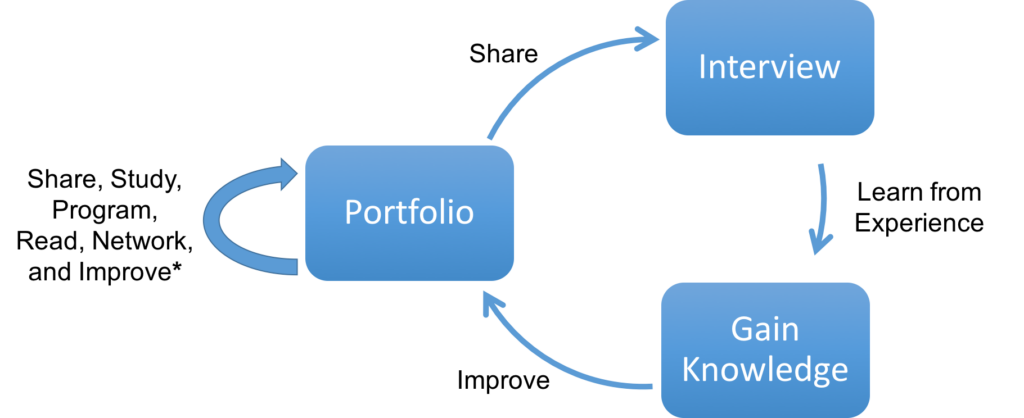
One of the most rewarding aspects of my journey was building a portfolio. Initially, Journey as a Web Designer I created small personal projects, gradually moving to freelance assignments and client work. Each project contributed to my experience, helping me tackle real-world problems and adapt to client requirements.
A strong portfolio not only showcases skills but also reflects problem-solving ability and creativity. I included case studies that described challenges, solutions, and outcomes. This narrative approach demonstrated my design thinking and helped potential clients and employers understand my approach.
The Impact of Mentorship and Community
Mentorship played a crucial role in my growth. Learning from experienced designers helped me avoid common mistakes and adopt best practices. Online communities and social media groups provided forums to ask questions, share experiences, and get feedback. Surrounding myself with a network of designers motivated me to continue improving and experimenting.
Vision for the Future
Looking forward, I see web design not just as a profession but as a platform for creativity and problem-solving. Emerging technologies like AI, AR/VR, and motion design are opening new possibilities for immersive and interactive experiences. My goal is to combine these technologies with user-centered design principles to create websites that are not only visually appealing but also intuitive, efficient, and impactful
Conclusion
Looking back at my journey, I feel proud of how far I have come. From a beginner with no experience to a passionate web designer, the journey has been full of learning and growth. Every step has helped me become better and more confident.
Looking back, my Journey as a Web Designer has been a path of continuous learning, creativity, and growth. From mastering coding languages to understanding client needs and creating user-friendly websites, every step has shaped me into a more skilled and confident professional. This journey has taught me that web design is not just about aesthetics—it’s about solving problems, enhancing user experiences, and helping businesses succeed online. I am excited to continue this journey, taking on new challenges and creating websites that inspire, engage, and deliver results.
This journey has taught me that with patience, consistency, and passion, anything is possible. I am excited to continue this path and create more meaningful and creative work in the future.